Stress-Free Long Distance Moving Services: Your Guide to a Smooth Transition
Long-distance moving can be tough, yet it doesn’t have to be overwhelming. With the proper plans and asset, individuals can manage the complexities of relocating. Important factors include picking a reputable moving service, effective packing techniques, and creating a clear timeline. Knowing these factors can greatly ease the move. However, many overlook critical aspects that can cause unnecessary stress and difficulties. What are the typical mistakes to avoid?
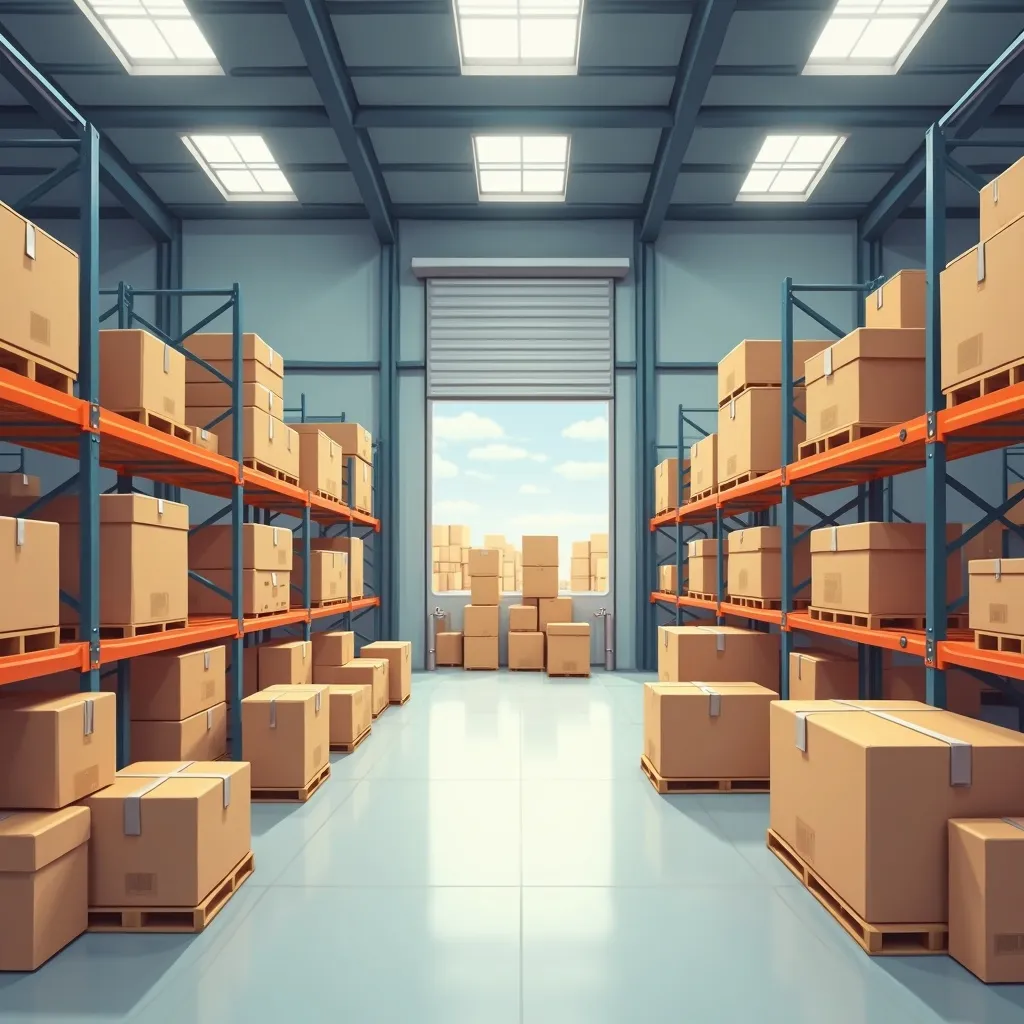
Guidelines to Assessing Long-Distance Relocation Firms
When selecting a long-distance moving company, how does one guarantee they make the best decision? Assessing potential movers requires a organized method. First, researching credentials is vital; companies should be properly licensed with insurance coverage. Web-based testimonials and scores provide insights into past customer experiences, emphasizing reliability and service quality.
Next, acquiring multiple quotes allows for comparison of pricing structures and services offered. Transparency in fees is crucial; hidden charges can result in unpleasant surprises.
A key consideration is the company's track record with cross-country relocations, as it typically shows their ability to manage logistics and issues particular to such transfers.
In conclusion, examining how responsive customer service is can give you a glimpse of ongoing support throughout the relocation. By adhering to these guidelines, individuals can select with assurance a long-distance moving company that aligns with their requirements, guaranteeing a easier transition.
Why You Should Select Expert Movers
Opting for skilled moving professionals during long-distance moves delivers major benefits. Their expertise can streamline the process, decreasing both duration and tension for people and loved ones. Additionally, established moving companies frequently offer protective coverage and liability safeguards, ensuring tranquility and confidence during the relocation.
Skill In Long-Distance Moves
Selecting expert movers for long-distance relocations can significantly reduce the stress that comes with such changes. Their knowledge in managing logistics ensures every part of the move is handled effectively. Experienced movers recognize the complexities of long-distance moves, from securely packing breakable items to navigating unfamiliar routes. They have the necessary tools and understanding to load and transport belongings safely, lowering the chance of damage. Moreover, professional movers are knowledgeable about regulatory requirements, guaranteeing compliance with state laws and permits. This expertise not only improves security but also builds client confidence, letting them concentrate on settling into their new home instead of the move’s complexities. Opting for professionals ultimately results in a more seamless experience.
Time And Stress Reduction
While transitioning to a new destination can be an exhilarating adventure, the time and tension involved can quickly become overwhelming. Going with skilled moving companies significantly alleviates these concerns. Their proficiency allows for efficient packing, loading, and transportation, lessening the time spent on logistics. This productivity not only speeds up the moving process but also lessens the physical strain on individuals. Trained moving experts handle the heavy lifting and complex tasks, allowing clients to focus on settling into their new home. Additionally, the peace of mind that comes with knowing experienced movers are managing the shift can substantially lower stress levels. Ultimately, enlisting expert help transforms a difficult situation into a seamless journey, making it easier to embrace the excitement of a new beginning.
Insurance And Risk Protection
Employing qualified relocation experts not only secures a smooth shift but also supplies critical insurance and liability safeguards. This protection is vital when moving valuable possessions over long distances, as it reduces the danger of damage or loss during transport. Experienced movers generally provide various coverage options, such as basic liability and full-value protection, ensuring customers have confidence and assurance. In contrast, DIY moves often leave individuals vulnerable to unforeseen circumstances, without remedy for harmed possessions. By opting for professional moving companies, clients benefit from their expertise and the assurance that their possessions are protected. Ultimately, the investment in expert relocation assistance can reduce significant costs and mental strain connected with potential losses, rendering it a smart decision for extended moves.
Key Packing Advice for Your Long-Distance Relocation
Proper packing is vital for a effective long-distance move, as it guarantees that belongings arrive securely and intact. To start, individuals should collect high-quality supplies, such as durable containers, protective padding, and packing tape. Sorting belongings by location can streamline the procedure and minimize the chance of losing belongings. It is recommended to mark each box distinctly, noting both the items inside and the intended room, which eases unloading.
Fragile objects demand special attention; packaging them alone in bubble wrap or packing paper helps in preventing breakage. Moreover, filling empty spaces inside boxes with packing peanuts or crumpled paper provides extra cushioning. For heavier items, using smaller boxes helps to prevent strain and protects safe handling. Finally, packing an essentials box with necessary items for the first few days can make settling in much simpler. By following these packing tips, people can boost the efficiency and safety of their long-distance move.
What to Expect During the Relocation Process
Strategic organizing establishes the basis for what to expect during the moving process. A methodically arranged packing strategy can greatly enhance the shift, easing stress and uncertainty. Individuals should prepare for a detailed timeline that specifies critical milestones, from wrapping to loading and delivery.
Consistent communication with the moving company is necessary; clients should look for regular updates concerning the status of their belongings and any possible delays. It is also key to be prepared for the logistics involved, such as the need for specific permits or entry requirements at both locations.
Clients may encounter unexpected challenges, ranging from bad weather conditions to traffic situations affecting travel time. Understanding that flexibility is essential can help mitigate anxiety. Ultimately, setting realistic expectations and maintaining open lines of communication with the relocation crew will lead to a more seamless and streamlined moving experience.
Acclimating: Creating a Homey Atmosphere in Your New Living Space
As the moving truck drives off, individuals often find themselves contemplating how to transform their new space into a comforting sanctuary. The first step in this journey involves arranging essentials to establish a functional living environment. Highlighting items like kitchenware, bedding, and personal effects can substantially increase comfort and familiarity.
Subsequently, incorporating personal elements is crucial. Artwork, family photos, and cherished keepsakes can trigger reminiscence and establish a sense of belonging. Positioning furniture to encourage movement and optimize space also enhances the overall ambiance.
Additionally, customizing the fragrance of the home using candles or diffusers can produce a welcoming atmosphere. Engaging with the local community—exploring parks, cafes, or social events—strengthens connections that help individuals feel rooted in their new surroundings.
Ultimately, these actions enable a gradual transition, converting a mere house into a true home filled with warmth and personality.
Expense Guidelines for a Long-Distance Move
Budgeting for a cross-country transfer calls for careful organization and foresight. First, individuals should create a thorough inventory of their belongings to estimate the volume and mass of items being transported. This can help in procuring accurate quotations from relocation services. It is advisable to construct a realistic financial budget that incorporates not only transportation costs but also additional expenses such as boxing supplies, temporary housing, and journey costs to the new location.
Next, individuals should think about the timing of the move. Rates may differ significantly based on the time of year or weekday. Booking well in advance can often result in better pricing. Additionally, it is beneficial to examine and evaluate several relocation services to find the best value. Finally, establishing a contingency fund for unexpected expenses will provide a financial buffer, guaranteeing a smoother adjustment throughout this significant transition.
Top 5 Critical Blunders to Bypass During Your Relocation Day
Handling the difficulties of a distant move can be intimidating, and avoiding common errors is vital for a easy transition. A significant mistake is underestimating the necessary time to pack and organize. Going quickly through this process can lead to missed belongings or inappropriately packed boxes. Another frequent mistake is neglecting to research moving companies in detail, which may cause hidden fees or poor quality service.
Furthermore, not establishing an detailed list of items can result in misplaced or harmed belongings. Forgoing coverage for valuables is an additional serious oversight, putting movers at risk of potential loss. Finally, failing to communicate effectively with the moving team can cause confusion about planning and requirements. By steering clear of these five mistakes, individuals can enable a more streamlined and less taxing relocation over a distance.
Often Requested Questions
How much sooner must I arrange My moving service?
Professionals advise arranging a relocation company at least four to six weeks in advance to your move. This period offers better availability, potential financial benefits, and proper planning, ultimately guaranteeing a more streamlined moving process for the individual.
Which Goods Cannot Be Transported During Extended-Distance Moving Services?
During long-distance moves, forbidden goods normally include hazardous materials, perishable foods, botanical specimens, and valuable items such as monetary funds or jewelry. Moving services routinely present a detailed list to guarantee adherence to regulatory mandates and safety protocols.
Will movers supply packing supplies, or must I purchase my own?
Movers practical resource commonly provide packing materials as included in their offerings, but it's prudent to confirm in advance. Some individuals like to buy their own supplies for greater control over quality and quantity throughout the moving process.
Can I Follow My Belongings During the Move?
Moving companies commonly offer tracking services for belongings during a move. Patrons can generally follow their shipment progress via an web portal or by communicating with the company, ensuring peace of mind throughout the moving experience.
What Happens if My Possessions Get Damaged During Transport?
If belongings are harmed during transport, the moving company typically investigates the claim. Depending on the coverage amount, compensation may be provided. Proper documentation and prompt reporting enhance the chances of a positive outcome.